Efficient handling of bulk materials is vital in various industries. Articulated loading arms have emerged as a preferred solution. But what are the advantages of articulated loading arms? Their design offers flexibility and adaptability. They can reach multiple docking positions, minimizing the need for extensive repositioning.
These loading arms enhance safety and efficiency. Operators experience reduced physical strain. This improvement lowers the risk of accidents during loading and unloading. A well-designed articulated arm can handle diverse materials, including liquids and gases. This versatility is beneficial across several sectors.
Moreover, articulated loading arms promote better workflow. They streamline the transfer process, cutting down on loading times. This efficiency is especially important in high-volume environments. However, proper maintenance practices are crucial to ensure their longevity. Regular inspections can prevent unexpected failures. When well-managed, articulated loading arms will continue to provide significant advantages for handling materials efficiently.
Overview of Articulated Loading Arms
Articulated loading arms represent a critical innovation in the handling of bulk liquids and gases. These systems enhance safety and efficiency in various industries, such as oil and gas, chemicals, and food processing. According to a report by the Global Market Insights, the articulated loading arms market is anticipated to grow at a compound annual growth rate (CAGR) of over 5% from 2021 to 2027. This reflects their increasing adoption as industries prioritize efficient transfer methods.
One advantage of articulated loading arms is their adaptability. They can accommodate multiple loading configurations and connect to various container types. Flexible joint designs allow for a broad range of motion, which reduces the risk of leaks and spills. A survey conducted by the American Institute of Chemical Engineers noted that 62% of industry professionals reported that articulated loading arms minimized connection errors. This promotes safer operations and reduces potential losses associated with spills.
However, despite their benefits, there are challenges that users face. Installation costs can be high, and maintenance requires skilled personnel. A 2020 industry report highlighted that 40% of operators experienced unexpected downtime related to maintenance issues. This shows the need for careful planning and ongoing training. Emphasizing efficiency while addressing potential drawbacks is essential for maximizing the benefits of articulated loading arms.
Key Features of Articulated Loading Arms
Articulated loading arms are crucial for efficient material handling. They offer flexibility and precision in loading and unloading processes. These systems are designed to streamline operations in various industries, including oil and gas, chemicals, and food processing.
One key feature of articulated loading arms is their reach. They can extend and retract to suit different container sizes. This adaptability reduces the need for manual labor, minimizing the risk of workplace injuries. The arms are also equipped with swivel joints, allowing for smooth movement and adjustment in tight spaces. This enhances safety by preventing spills and leaks during transfer.
Another important aspect is their durability. Constructed from high-quality materials, articulated loading arms withstand harsh environments. They are resistant to corrosion and wear, ensuring a long lifespan. However, regular maintenance is essential. Neglecting this can lead to inefficiencies and breakdowns. Users must be aware of the maintenance requirements to avoid costly downtime. Putting thought into these details can improve operational efficiency significantly.
Advantages of Articulated Loading Arms for Efficient Handling
Benefits of Using Articulated Loading Arms in Operations
Articulated loading arms provide significant advantages in operational efficiency. Their flexibility and reach make them ideal for various industries. For instance, a recent report shows that these systems can reduce product spillage by up to 90%. This is crucial, as each incident of spillage can cost operations both monetarily and environmentally. The ability to precisely position the loading arm reduces waste and enhances safety.
Moreover, articulated loading arms streamline the loading and unloading process. They allow for better maneuverability in tight spaces, which is essential in industrial settings. A survey indicated that companies using articulated arms improved loading times by 30%. The integration of these systems also minimizes worker fatigue. Employees can operate them with less physical strain, leading to higher productivity levels over time.
However, not every installation is perfect. Some operations may encounter challenges such as alignment issues. Regular maintenance can be neglected, which leads to reduced efficiency. Monitoring these systems is essential for optimal performance. Reflexively assessing their operation can prevent costly downtime and ensure smoother processes. This kind of proactive approach reflects a commitment to continuous improvement in safety and efficiency.
Applications of Articulated Loading Arms in Various Industries
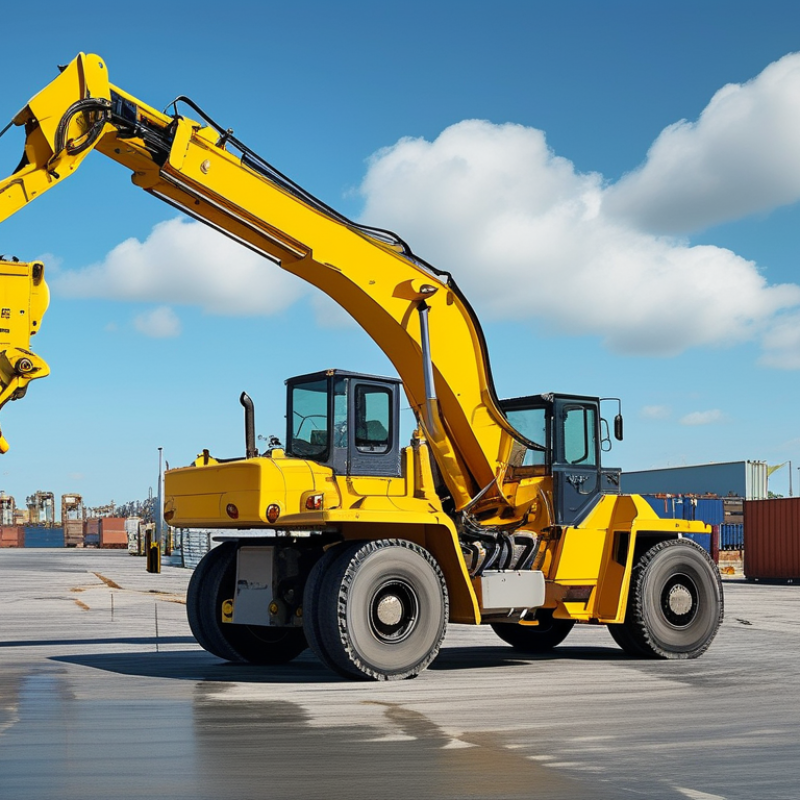
This is an example of articulated loading arms in action:
Articulated loading arms are essential in various industries for fluid transfer and handling. These systems excel in environments requiring precise control. For example, the oil and gas sector relies on articulated arms for efficient loading and unloading of crude oil. According to a report by the Global Market Insights, the market for articulated loading arms is expected to grow by over 6% per year, driven by advancements in safety protocols and efficiency.
In the chemical industry, articulated loading arms facilitate the safe transfer of hazardous materials. They reduce spillage risks and enhance user safety. The American Chemical Society emphasizes the importance of these systems in minimizing exposure to toxic substances. As industries evolve, flexibility becomes crucial. Articulated arms allow for quick adjustments, catering to various container types and sizes. This adaptability can be a challenge; if not calibrated correctly, inefficiencies may arise.
Moreover, the food and beverage sector benefits as articulated loading arms ensure sanitary conditions during product transfer. This sector faces stringent regulations, and equipment must comply. Implementation can be complex, sometimes leading to initial operational hiccups. However, when effectively utilized, articulated loading arms streamline various processes, aligning with industry standards and enhancing overall productivity.
Comparison of Articulated Loading Arms with Traditional Loading Methods
Articulated loading arms revolutionize the way industries handle bulk liquids compared to traditional methods. According to a recent industry report, articulated loading arms can reduce loading times by up to 30%. This improvement is largely due to their flexibility and precision. The design allows for smoother operations, minimizing spills and contamination. Traditional loading methods often struggle with ergonomic issues, increasing the risk of accidents.
Additionally, articulated loading arms require less physical effort from operators. A survey indicated that over 60% of workers prefer them to older systems. This preference stems from the reduced strain on the body. Traditional systems often expose workers to repetitive motions and awkward positions. By contrast, articulated systems offer enhanced safety features, aligning with occupational health standards.
While articulated loading arms offer many advantages, some organizations may face implementation challenges. Initial investment costs can be significant. Furthermore, training personnel to effectively use new equipment requires time and resources. Despite these hurdles, the efficiency gains can lead to long-term savings and improved operational effectiveness. As industries evolve, reevaluating material handling methods becomes essential.
FAQS
: They are designed for efficient material handling in various industries.
They prevent spills and leaks, reducing risks during material transfers.
Their ability to extend and retract, adapting to different container sizes.
Neglecting maintenance can lead to inefficiencies and costly downtime.
They can reduce spillage by up to 90%, saving money and minimizing environmental impact.
Yes, some companies report improved loading times by 30% using these systems.
Some installations may face alignment issues, affecting efficiency.
They should monitor the systems regularly and assess their operation.
They allow for easier operation, leading to reduced physical strain and increased productivity.
Yes, it helps in preventing downtime and ensuring smoother operations.
Conclusion
Articulated loading arms offer numerous advantages for efficient handling in various industrial applications. These innovative systems are designed with flexibility and ease of use in mind, allowing operators to connect and disconnect quickly from transport vehicles. Key features include a compact design, the ability to reach hard-to-access areas, and enhanced safety measures, such as reduced spillage and operator exposure to hazardous materials.
What are the advantages of articulated loading arms? They significantly improve workflow efficiency by minimizing loading and unloading times, reducing product loss, and providing a safer work environment. Additionally, they can be easily integrated into existing infrastructure across multiple industries, including petroleum, chemicals, and food production. Overall, articulated loading arms present a modern solution that surpasses traditional loading methods, ensuring smoother operations and higher productivity levels.

 Liftora Arm