2026 Best Ways to Prevent Spillage in Chemical Loading Operations?

Time:2026-06-04 Author:Sienna
0%

Preventing spillage in chemical loading operations is essential for safety and environmental protection. Efficient operations can often face issues that lead to accidents. Awareness of how to prevent spillage in chemical loading operations is crucial for all stakeholders.

Operators, safety officers, and managers must work together to identify potential risks. Regular training and drills can empower staff to respond effectively. Adopting new technologies also helps minimize human error. Inspecting equipment before each use reduces the chance of leaks.

Despite our best efforts, challenges remain. Incidents can occur even with safety protocols in place. Hence, creating a culture of continuous improvement is vital. Evaluate past incidents and develop strategies to prevent future occurrences. This proactive approach can significantly reduce spill risks.
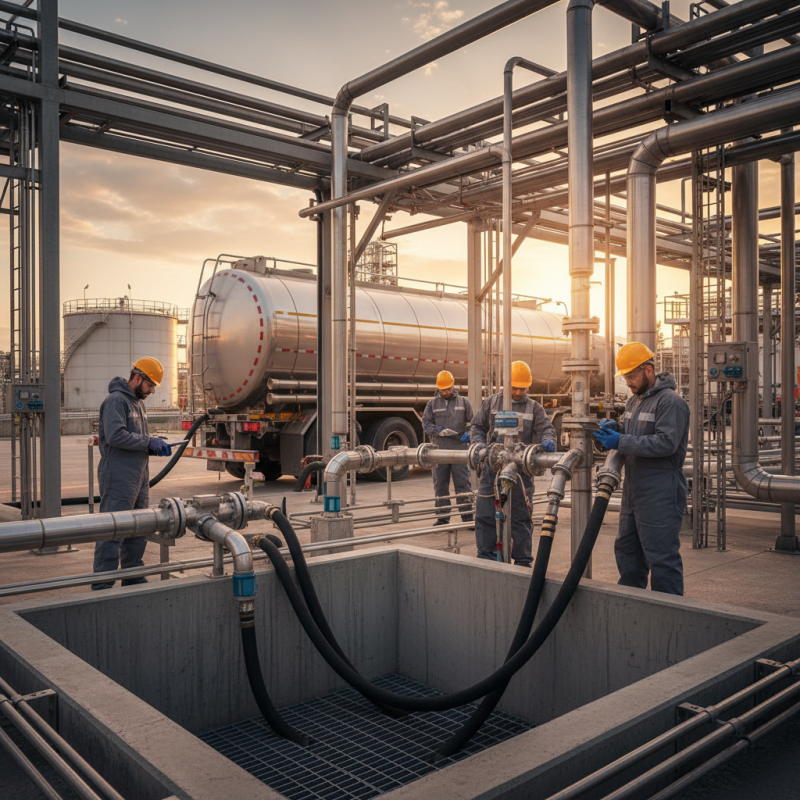
2026 Best Ways to Prevent Spillage in Chemical Loading Operations?

Current Regulations and Standards for Chemical Loading Operations

In chemical loading operations, adhering to current regulations and standards is crucial. These regulations ensure safety and efficiency in handling hazardous materials. Organizations must stay informed about local and international safety standards. The Occupational Safety and Health Administration (OSHA) and the Environmental Protection Agency (EPA) provide guidelines essential for compliance.

Regular training programs are vital. Employees must understand the risks involved in chemical handling. They should receive updates on regulations and best practices. This knowledge fosters a proactive culture around safety. For example, conducting drills can prepare teams for emergency situations.

Tips:

  • Always wear appropriate personal protective equipment (PPE) during operations.
  • Regularly inspect loading equipment for leaks or malfunctions.
  • Ensure spill containment measures are in place before starting any loading process.
This approach mitigates risks significantly. Recognizing the importance of these measures can lead to inconsistencies if ignored. Continuous reflection on safety protocols helps in improving compliance and reducing incidents. Each team member should embrace a mindset of accountability.

Common Causes of Spillage in Chemical Loading Processes

Spillage during chemical loading operations poses significant risks. According to the United Nations Environment Programme, around 20% of chemical spills occur during loading and unloading processes. Common causes include equipment failure and human error. Inadequate training can lead to mistakes, increasing the likelihood of spills.

Improper maintenance of loading docks and hoses often results in leaks. A study by the Chemical Safety Board indicated that about 30% of incidents happen due to faulty equipment. Even minor wear can lead to significant dangers if not monitored. Furthermore, inconsistent procedures among personnel contribute to mishaps. This reveals a critical need for unified training and strict protocols.

The complexity of chemical properties adds another layer of risk. Some materials react violently if spilled. It’s essential to continuously educate workers on proper handling and emergency protocols. Enhanced communication between teams can minimize misunderstandings. Regular drills and incident reviews can also improve awareness and preparedness. Addressing these factors is vital for safer loading operations.

Effective Design of Loading Dock Facilities and Equipment

Efficient design of loading dock facilities plays a crucial role in preventing spillage during chemical loading operations. A well-planned loading area minimizes hazards. Proper drainage systems are essential. They can help contain any accidental spills, preventing them from spreading further. Use spill containment pallets to manage potential leaks from containers.

Tips: Ensure that all loading dock surfaces are smooth and easy to clean. Regular maintenance checks on equipment can prevent unexpected failures. Consider installing spill sensors that provide alerts when a leak is detected.

The layout of the loading area needs careful thought. Avoid clutter and keep the space organized. Clear signage can guide operators in safe loading practices. Training staff can reduce human error, often the main cause of spills. Safety equipment should be easily accessible, but it’s often overlooked.

Tips: Evaluate whether current safety measures are adequate. Regularly review incident reports to identify patterns. Consider feedback from employees on challenges they face during operations. Their insights can reveal gaps in your system.

Training and Best Practices for Operators Handling Chemicals

Training operators in chemical loading operations is essential. Statistics indicate that 80% of spill incidents occur due to human error. This highlights the need for proper training protocols. Hands-on training, simulations, and refreshers can significantly reduce risks.

Best practices should be incorporated into training modules. Operators must learn about PPE usage, equipment handling, and emergency protocols. According to recent data, implementing regular drills can reduce spill accidents by 30%. Additionally, operators should be familiar with the properties of the chemicals they handle. Understanding these properties can help in predicting potential issues.

Constantly assessing training effectiveness is crucial. Operators should provide feedback on training sessions. This allows for adjustments and improvements. Some practices may become outdated or ineffective. Regular review ensures the training stays relevant and efficient. Continuous learning is vital in maintaining safety in chemical loading operations.

2026 Best Ways to Prevent Spillage in Chemical Loading Operations

Best Practice Description Training Frequency Responsible Personnel Effectiveness Rating (1-5)
Regular Equipment Maintenance Ensure all loading equipment is inspected and maintained regularly to prevent leaks. Monthly Maintenance Team 5
Operator Training Provide comprehensive training for operators on handling chemicals safely. Biannually Safety Manager 5
Spill Containment Measures Implementing barriers and secondary containment systems to capture spills. Annual Facility Manager 4
Use of Automated Systems Utilizing automated loading systems to reduce human error. Quarterly IT and Operations 4
Emergency Response Drills Conduct drills to prepare personnel for spill responses. Quarterly Safety Officer 5

Emergency Response Strategies for Chemical Spillage Incidents

Chemical spillage incidents pose significant risks in loading operations. Effective emergency response strategies are crucial in mitigating these risks. Teams must be trained to handle chemical spills swiftly and safely, reducing potential harm to personnel and the environment.

Establish clear communication protocols. Everyone involved should know who to contact in case of a spill. This minimizes confusion and improves response times. Document emergency procedures and ensure they are easily accessible.

Conduct regular drills to prepare for emergencies. Realistic scenarios help teams understand their roles during a spill. Mistakes will happen when reality strikes, but learning from them is vital. Try to identify weaknesses in your response strategies. After each drill, take time to reflect. This practice can prevent future problems.

Implement spill containment equipment on-site. Ensure it is in proper working order and located where spills are most likely to occur. Regularly check and maintain these resources. This simple step can save time during an actual emergency. Always prioritize safety and readiness.

2026 Best Ways to Prevent Spillage in Chemical Loading Operations

FAQS

: Why are regulations important in chemical loading operations?

: Regulations ensure safety and efficiency in handling hazardous materials during chemical loading operations.

How can organizations stay compliant with safety standards?

Organizations must stay informed about local and international safety standards provided by relevant authorities.

What is the role of training in chemical handling?

Regular training helps employees understand risks and stay updated on safety regulations and best practices.

What should operators know about PPE?

Operators must learn the proper usage of personal protective equipment to ensure their safety during operations.

What are some best practices before starting loading processes?

Inspect loading equipment for leaks, wear PPE, and ensure spill containment measures are ready.

Why is feedback important in training sessions?

Feedback allows operators to communicate training effectiveness and helps adjust methods to keep them relevant.

How can drills improve safety in chemical loading?

Regular drills can prepare teams for emergencies and reduce spill accidents by 30%.

What happens if safety measures are ignored?

Ignoring safety measures can lead to inconsistencies and increased risks during chemical loading operations.

How can training effectiveness be assessed?

Operators should regularly provide feedback to ensure training stays effective and up-to-date with practices.

Why is continuous learning necessary in this field?

Continuous learning maintains safety effectiveness in chemical loading operations and helps adapt to new challenges.

Conclusion

The article titled "2026 Best Ways to Prevent Spillage in Chemical Loading Operations" addresses the critical question of how to prevent spillage in chemical loading operations. It begins by discussing current regulations and standards that guide best practices in the industry, emphasizing compliance to ensure safety. The article then identifies common causes of spillage, such as equipment failure and operator error, which highlights the need for effective preventive measures.

To mitigate these risks, the article focuses on the importance of designing loading dock facilities that are tailored to handle chemicals safely, alongside deploying specialized equipment. Furthermore, it advocates for comprehensive training programs for operators, promoting best practices in chemical handling. Finally, the article outlines emergency response strategies that are essential when incidents occur, reinforcing the need for preparedness in maintaining safety during loading operations. By implementing these strategies, organizations can significantly reduce the risk of spillage and enhance operational safety.

Sienna

Sienna

Sienna is a skilled marketing professional with a deep expertise in our company’s core products and services. With a passion for innovation and detail, she plays a pivotal role in crafting insightful blog posts that not only highlight the unique features of our offerings but also provide valuable......