How to extend the service life of truck loading arms? The answer begins with disciplined maintenance, not occasional repair. These arms face repeated movement, product weight, vibration, weather, and operator handling every working day. Small faults can grow quickly around swivel joints, seals, hoses, couplings, and counterbalance systems.
Reliability engineer Ramesh Gulati offers a useful maintenance principle: “Reliability is not achieved by inspection alone; it is built into every maintenance decision.” Applied to loading arms, this means checking movement before each shift and recording unusual resistance, leakage, noise, or loose hardware. A trained operator can notice a stiff swivel long before it damages the arm structure. That practical experience matters.
Keep it simple.
Clean exposed surfaces regularly, especially where dust or product residue collects. Lubricate approved points with the correct lubricant, and never ignore a damaged hose or grounding connection. Check bolts, supports, springs, seals, and emergency release features according to the manufacturer’s instructions. Avoid forcing an arm beyond its designed range. That mistake is common, and expensive.
A planned inspection schedule should combine daily visual checks, periodic functional testing, and professional examination of high-wear components. Maintenance records should include dates, symptoms, replaced parts, and inspection results. They create traceable evidence and reveal repeated failures.
Still, no maintenance plan is perfect. Climate, workload, installation quality, and operator habits can change the result. Reviewing failures honestly is necessary. A loading arm that looks acceptable may still hide internal wear. Extending service life requires attention before damage becomes visible.
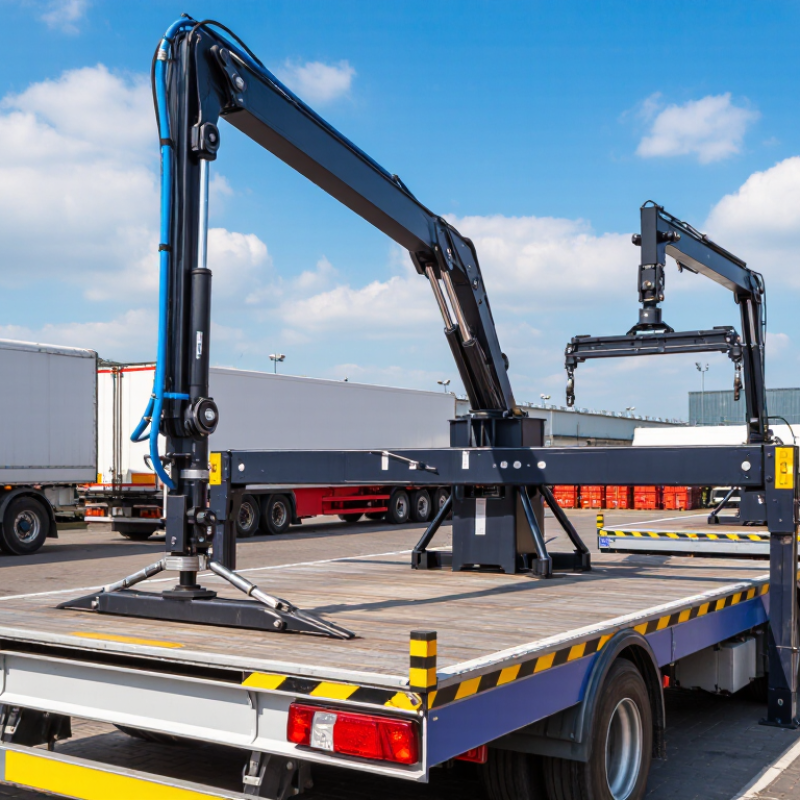
China’s logistics industry handled 352.4 trillion yuan of social logistics in 2023, according to the China Federation of Logistics and Purchasing. This volume increases pressure on loading equipment. Choosing the best truck loading arm requires more than checking price. Confirm the required flow rate, product temperature, viscosity, and loading frequency. Fit matters.
API RP 1004 and EN 13617-1 provide useful technical references for loading design and safety components. Ask Chinese manufacturers for material certificates, pressure-test records, swivel-cycle data, and maintenance instructions. Stainless steel may suit corrosive products, while carbon steel can work for less aggressive service. Select seals according to the actual medium, not a general catalog label. This mistake happens often.
A 2023 U.S. Bureau of Transportation Statistics report shows trucks moved about 12.9 billion tons of freight in the United States during 2022. High utilization makes fatigue resistance important. Choose balanced arms with smooth movement, reliable breakaway protection, and accessible spare parts. Check hose bending radius and parking clearance on site. A factory video is helpful, but it cannot replace an inspection. Request a witnessed functional test before shipment. I would also review local installation quality, because even excellent equipment can fail through poor alignment.
Reliable performance starts with careful installation, not expensive replacement parts. Place the truck loading arm on a rigid, level support structure. Check that the mounting flange matches the connection dimensions and gasket material. Misalignment can create stress at swivel joints and cause leaks later. Keep the arm’s movement path clear of the truck, platform, and nearby equipment. The arm should move smoothly without forcing it.
Tighten bolts in a cross pattern and follow the specified torque values. Connect grounding or bonding equipment where required by the site’s safety procedures. Before operation, inspect every swivel, seal, valve, and connection. Perform a controlled pressure or leak test according to approved technical requirements. Field inspections often find small installation errors, especially around flange alignment. They are easy to miss.
Tips: Support the arm during installation. Never use the swivel joint to correct pipe misalignment. Mark bolt positions after torque checks. Move the arm through its full range slowly. Listen for scraping or unusual resistance. Recheck connections after initial operation, because seals can settle. Not every installation goes perfectly. A second inspection is worthwhile. Clear records of torque, testing, and adjustments also help technicians identify wear before service becomes unreliable.
Safe operation starts before the truck reaches the loading position. Check the arm structure, swivel joints, seals, bolts, and grounding connection. The loading bay should be clean, dry, and free from obstacles. A trained operator must confirm that the truck is correctly parked and secured. Keep the arm supported during movement. Never force a stiff joint or pull the hose sharply.
Open valves slowly to reduce pressure shock and sudden movement. Watch the connection point for leakage, vibration, or unusual noise. Keep hands away from rotating joints and pinch points. Wear suitable protective equipment, including gloves, eye protection, and safety footwear. Emergency shutoff controls should remain visible and accessible. Good lighting matters, especially during night operations or heavy rain.
Field maintenance experience shows that small cleaning habits greatly extend service life. Remove dust and spilled material after each operation. Inspect seals and flexible sections at planned intervals. Replace worn parts before they damage nearby components. In busy yards, operators sometimes skip the final inspection when schedules tighten. That habit needs review. A two-minute check may prevent a costly failure. Maintenance records should note operating hours, defects, repairs, and inspection dates. Operators should also report unclear procedures instead of relying on memory or improvised methods.
China Best Truck Loading Arms How to Extend Service Life?
Truck loading arms need routine care, not occasional attention after a failure. Inspect the arm before each shift for leaks, cracked hoses, loose bolts, and unusual movement. Check swivel joints carefully. Small stains around a seal often appear before a serious leak. Clean dust and product residue from moving parts. Dirt can hide corrosion and increase friction.
Lubricate joints according to the equipment manual and site procedure. Use only compatible lubricants, because the wrong product can damage seals. Inspect gaskets, couplings, breakaway devices, and grounding connections regularly. A stiff arm may indicate poor lubrication, misalignment, or internal wear. Do not force it. Stop operation and arrange an assessment by qualified maintenance personnel. Pressure testing and seal replacement should follow approved procedures.
Keep a maintenance record with inspection dates, observed defects, repairs, and replaced parts. This simple record helps identify repeated failures. Corrosion deserves special attention near drainage points and exposed steel surfaces. A clean exterior can mislead you. Internal wear may already be developing. One practical lesson is often missed: operators should report small changes immediately, even when the arm still works. Preventive maintenance is rarely perfect. Review failures honestly, adjust inspection intervals, and replace worn components before movement becomes unsafe.
Truck loading arms face repeated movement, vibration, weather exposure, and product contact. A practical maintenance program begins with a clean inspection routine. Operators should check swivel joints, seals, hoses, counterweights, emergency breakaway devices, and grounding connections before each loading shift. Watch for slow movement, unusual noise, paint bubbling, or small leaks. These details often appear before serious failure.
Corrosion deserves special attention. The NACE IMPACT study estimated that corrosion costs the global economy about US$2.5 trillion annually, equal to roughly 3.4% of global GDP. Its findings also indicate that 15–35% of corrosion costs may be reduced through better control practices. For loading arms, this means removing salt, dust, and spilled liquids from joints and support structures. Protective coatings should be repaired quickly, not during the next annual shutdown. That delay is tempting, but expensive.
Inspection intervals should follow risk, operating hours, and the manufacturer’s technical limits. API RP 580 supports risk-based inspection, linking inspection effort to failure probability and consequences. Keep records of seal changes, torque checks, alignment measurements, and abnormal movement. A technician should measure joint play instead of relying only on visual checks. We sometimes replace seals too early and miss worn bearings. That is an easy mistake. Training, lubrication, controlled parking, and gentle alignment during connection can reduce stress on the arm. The Energy Institute’s process safety guidance also emphasizes competent maintenance and reliable inspection records.
Preventive inspections help identify leakage, corrosion, seal wear, and swivel-joint problems before they cause costly downtime. The chart shows typical inspection intervals used for industrial truck loading arm maintenance.
Recommended intervals should be adjusted according to product characteristics, operating frequency, temperature, pressure, environmental exposure, and the equipment manufacturer’s maintenance instructions.
Confirm the required flow rate, product temperature, viscosity, and loading frequency. Fit matters. Price alone is not enough.
Stainless steel may suit corrosive products. Carbon steel can serve less aggressive applications. Select seals for the actual medium, not a general catalog label.
Request material certificates, pressure-test records, swivel-cycle data, and maintenance instructions. Ask for a witnessed functional test before shipment.
A balanced arm should move smoothly with limited operator effort. Check fatigue resistance, breakaway protection, spare-part access, and hose bending radius.
No. A video shows useful details, but it cannot confirm field alignment or installation quality. I would inspect the equipment whenever possible.
Use a rigid, level support structure. Match the mounting flange, connection dimensions, and gasket material. Small errors matter.
Misaligned flanges can stress swivel joints. Incorrect bolt tightening can damage connections. Never use the swivel joint to correct pipe misalignment.
Inspect every swivel, seal, valve, and connection. Move the arm slowly through its full range. Listen for scraping or unusual resistance.
Tighten bolts in a cross pattern using specified torque values. Recheck connections after initial operation because seals may settle.
Record torque values, pressure or leak tests, adjustments, and early wear signs. Clear records help, though they are sometimes incomplete. A second inspection is worthwhile.
Choosing the best truck loading arms in China requires evaluating material quality, loading capacity, operating range, sealing performance, and compatibility with the intended application. Correct installation is equally important: the arm should be securely supported, accurately aligned, and tested for smooth movement before regular use. During operation, trained personnel should follow established procedures, avoid excessive force, monitor connections, and stop immediately if leakage, unusual vibration, or resistance occurs. Safe and efficient handling protects both the equipment and the workplace.
How to extend the service life of truck loading arms? Establish a preventive maintenance plan that includes regular inspection, cleaning, lubrication, seal replacement, and tightening of joints and fasteners. Common failures such as leakage, stiffness, corrosion, and poor alignment can often be prevented through timely adjustments and the use of suitable replacement parts. Keeping accurate maintenance records, operating within rated limits, and addressing minor problems before they develop into major faults will improve reliability, reduce downtime, and support long-term performance.

Liftora Arm