Corrosion resistance is crucial for loading arms, a vital component in various industries. These structures are exposed to harsh environments and aggressive chemicals. According to a report by the National Association of Corrosion Engineers (NACE), corrosion costs the U.S. economy over $400 billion annually. This staggering figure emphasizes the importance of durable materials.
Dr. Emily Carter, an expert in materials science, stated, "The integrity of loading arms directly impacts safety and efficiency." This highlights the necessity of selecting corrosion-resistant materials to enhance the longevity of loading arms. Corrosion can lead to leaks and operational failures, posing significant risks at terminals and refineries.
Choosing the right materials helps mitigate these risks. Innovations in coatings and alloys are emerging to provide better protection against corrosion. However, not all organizations prioritize these upgrades, which can be a reflection of budget constraints. Understanding "Why is corrosion resistance important for loading arms?" is critical to ensuring safety and operational efficiency. The need for education and awareness in this field cannot be overstated.
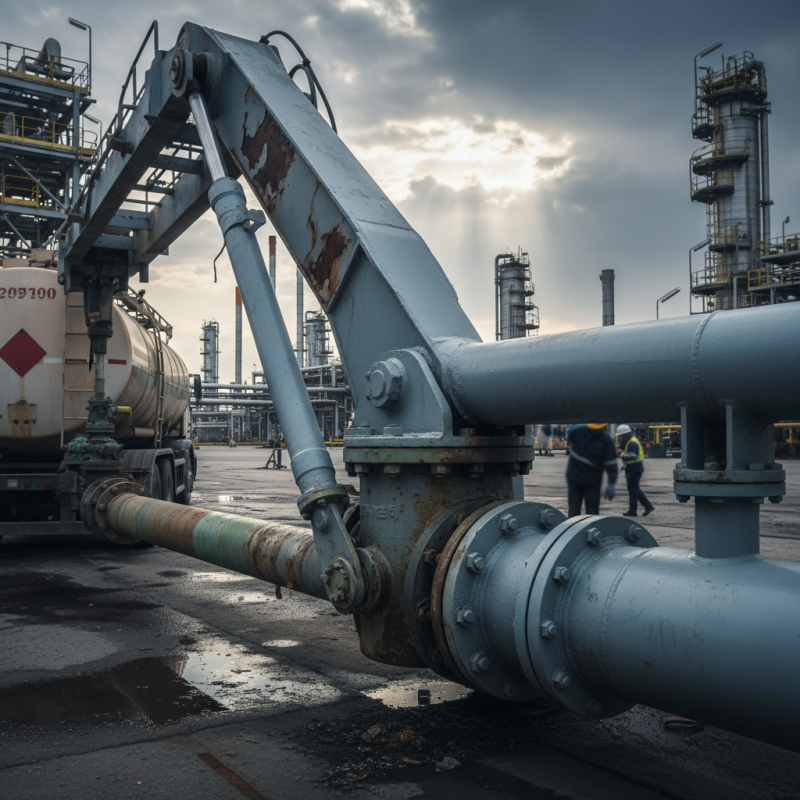
Loading arms play a vital role in various industrial applications, including oil and gas, chemical processing, and bulk materials handling. These systems are essential for the safe and efficient transfer of liquids and gases. According to a report by the International Energy Agency, up to 10% of the world’s energy supply is transported through loading arms. This statistic underscores their importance in maintaining the flow of essential materials.
One of the most significant challenges in the operation of loading arms is corrosion. These systems are often exposed to harsh environments and corrosive substances. The National Association of Corrosion Engineers estimates that corrosion costs industries worldwide more than $2.5 trillion each year. Without proper corrosion resistance, the lifespan of loading arms can be dramatically reduced. This results in increased maintenance costs and potential downtime, which can have serious repercussions in fast-paced industrial settings.
Corrosion resistance can be achieved through several methods, such as using stainless steel or applying protective coatings. However, these solutions must be carefully selected based on the specific chemicals involved. Inadequate protection can lead to catastrophic failures. A failed loading arm can result in spills, safety hazards, and significant financial loss. Each industrial application poses unique risks, making it essential for engineers to understand the materials and conditions involved.
Corrosion poses a significant threat to loading arms used in the transportation of liquids. Understanding its causes is key. Common culprits include moisture, chemicals, and temperature fluctuations. A report by the National Association of Corrosion Engineers estimates that corrosion costs industries over $2.5 trillion annually. This is especially critical in loading arms, where even minor damage can lead to leaks or failures, affecting safety and operations.
The effects of corrosion on loading arms can be severe. Studies indicate that nearly 40% of equipment failures result from corrosion-related issues. With loading arms often exposed to harsh environments, effective corrosion resistance is essential. Materials must withstand not only chemical exposure but also physical wear. Regular inspections and maintenance are necessary to identify early signs of corrosion, ensuring the integrity and longevity of these critical components.
Corrosion resistance is vital in marine and chemical environments. These settings expose loading arms to harsh conditions. Saltwater, chemicals, and extreme temperatures can accelerate corrosion. When corrosion occurs, it weakens structural integrity. This jeopardizes safety and reliability.
Thorough research shows that effective corrosion prevention can save costs. Repairing corroded loading arms is expensive and time-consuming. Yet, industries often overlook this essential aspect. Regular maintenance may be neglected due to budget constraints. This oversight could lead to catastrophic failures.
Material selection plays a key role in combating corrosion. Stainless steel and specialized coatings are popular choices. However, choosing the right material requires expertise. Not every solution applies universally. Each environment is unique, demanding a tailored approach. It's crucial to reflect on past decisions and their implications. Far too often, companies chase short-term savings at the expense of long-term safety.
Corrosion resistance in loading arms is vital for maintaining operational efficiency. The materials used must withstand harsh environmental conditions. For effective performance, stainless steel and specialized alloys are often recommended. These materials provide strength while offering resistance to various corrosive agents.
Selection of materials should consider aspects like temperature and fluid type. An optimal choice can enhance lifespan and reduce maintenance costs. However, not all materials perform equally. Sometimes, even high-grade components may falter under extreme conditions. This unpredictability necessitates ongoing monitoring and assessment.
Engineers must balance cost and performance when choosing materials. In some cases, the initial investment in advanced materials pays off through durability. Yet, the impact of corrosion can be unpredictable, leading to potential failures. Regular inspections and updates to material specifications can ensure longevity and safety. The objective remains to mitigate risks associated with corrosion effectively.
| Material | Corrosion Resistance Rating | Cost per kg ($) | Typical Applications | Weight (g/cm³) |
|---|---|---|---|---|
| Stainless Steel 316 | High | 3.50 | Marine, Chemical Processing | 8.0 |
| Aluminum 6061 | Moderate | 2.50 | Transportation, Aerospace | 2.7 |
| Carbon Steel | Low | 1.00 | Construction, Pipes | 7.85 |
| Duplex Stainless Steel | Very High | 4.20 | Oil & Gas, Marine | 7.8 |
| Bronze | High | 6.50 | Marine, Artifacts | 8.73 |
Corrosion resistance is critical for loading arms, given their exposure to harsh chemicals and environmental conditions. Proper maintenance strategies can significantly extend their lifespan, ensuring safety and efficiency in operations.
One effective strategy is regular inspections. Inspecting loading arms for signs of corrosion helps identify issues early. Look for discoloration, rust, or pitting on the surface. Addressing these problems quickly can save time and money. Remember to check joints and seals; these areas are often overlooked but are prone to corrosion.
Applying protective coatings is another essential maintenance method. These coatings create a barrier against corrosive elements, extending the life of the loading arms. Ensure that the surface is clean before application. Reapply coatings as needed, especially after any significant repair work.
Tips to enhance corrosion resistance include using corrosion-resistant materials whenever possible. Consider the environment where the loading arms operate. Aggressive substances may require more robust materials. Regular cleaning also plays a crucial role in preventing corrosion build-up. Keep surfaces free from debris and chemicals; this simple step can make a big difference.
: Corrosion resistance ensures operational efficiency and safety in harsh environments.
Stainless steel and specialized alloys are often suggested for their strength and corrosion resistance.
Regular inspections for signs of corrosion can help identify issues early and extend lifespan.
Discoloration, rust, and pitting are key indicators of corrosion on loading arms.
Yes, protective coatings create a barrier against corrosive elements and should be reapplied regularly.
Materials should be chosen based on temperature and fluid type to ensure optimal performance.
Regular cleaning prevents corrosion build-up and keeps surfaces free from harmful debris.
Yes, even high-grade components can fail in extreme conditions, highlighting the need for monitoring.
Balancing cost and performance is vital; sometimes, investing in advanced materials pays off in durability.
Joints and seals are often neglected but can be particularly vulnerable to corrosion issues.
Corrosion resistance is a critical factor in the longevity and efficiency of loading arms, which are extensively used in various industrial applications, particularly in marine and chemical environments. Understanding the causes and effects of corrosion is essential, as it can significantly impair the functionality and safety of loading arms. This highlights the question, "Why is corrosion resistance important for loading arms?" The answer lies in preventing structural damage and ensuring reliability during fluid transfer processes.
Selecting the right materials is crucial for enhancing corrosion resistance in loading arms, as different environments pose unique challenges. Regular maintenance strategies can also play a vital role in extending the lifespan of these systems. By prioritizing corrosion resistance, industries can minimize downtime, reduce repair costs, and ensure operational safety, ultimately making it a fundamental aspect of loading arm design and management.

Liftora Arm