 Liftora Arm
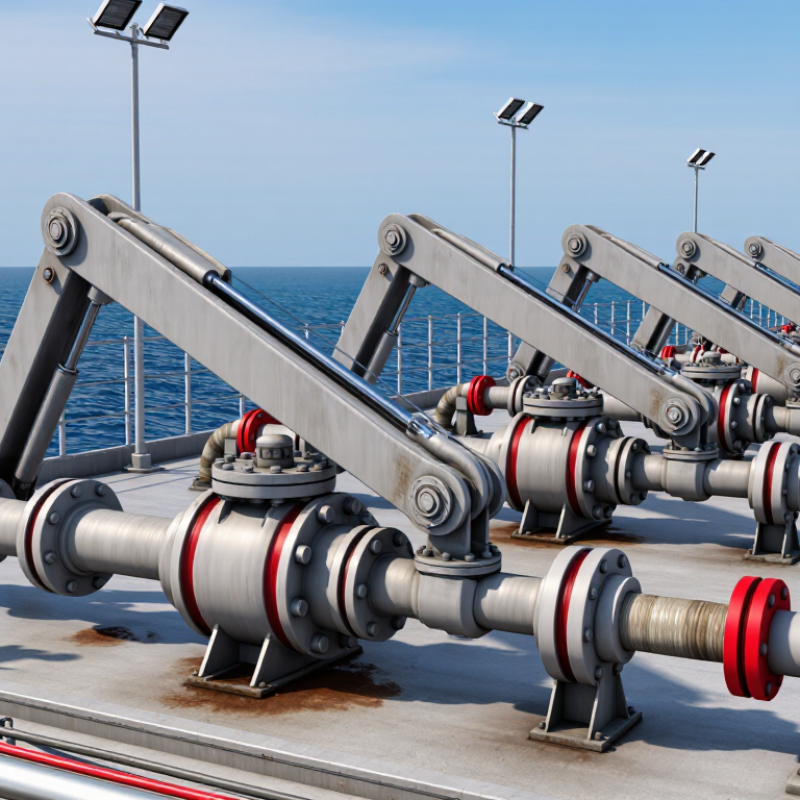
Top Onshore Loading System Maintenance Schedule? - Routine Inspection Tasks for Loading Arms, Hoses, and Valves
Suggested routine schedule for planning purposes. Set actual intervals and acceptance limits according to the equipment manufacturer’s instructions, applicable regulations and standards, service conditions, and the site’s risk-based maintenance program.
| Frequency | Equipment | Routine inspection or maintenance tasks | Check for / action | Record |
|---|---|---|---|---|
| Before each loading operation | Loading arm | Visually inspect the arm, swivel-joint area, coupler, support structure, and operating envelope. Confirm that the arm moves freely and is correctly positioned. | Look for leaks, impact damage, abnormal movement, loose or missing parts, and visible corrosion. Do not operate damaged or leaking equipment; report it for assessment. | Pre-use checklist and any defect report |
| Before each loading operation | Hoses and hose connections | Inspect the full accessible hose length, end fittings, gaskets, and connection points. Verify that the hose is suitable for the product and operating conditions. | Check for cuts, bulges, kinks, exposed reinforcement, abrasion, leaks, damaged fittings, or unreadable identification. Remove suspect hoses from service pending evaluation. | Pre-use checklist; hose identification and condition |
| Before each loading operation | Valves | Check valve bodies, stems, packing areas, handwheels or actuators, and nearby joints. Confirm the intended valve position using the operating procedure. | Look for leakage, damage, obstruction, loose components, or signs that the valve position indicator does not match the actual position. | Pre-use checklist and abnormality report |
| After each operation | Loading arm and hoses | Check for product residue, fresh leaks, handling damage, and unusual movement or noise observed during service. Drain, cap, or store equipment as required by the approved procedure. | Record any operating issue and arrange cleaning or repair using the site’s product-specific and safety procedures. | Shift or transfer log |
| Weekly | Loading arm | Inspect accessible structural members, supports, travel stops, locking devices, and visible fasteners. Check the surrounding area for obstructions. | Report looseness, deformation, corrosion, damaged restraints, or restricted travel. Do not adjust safety-critical components without authorization. | Weekly inspection checklist |
| Weekly | Hoses | Review hose storage and handling practices. Check that hoses are supported, protected from traffic and sharp edges, and not left under damaging tension or twist. | Correct storage or routing issues. Escalate any condition that may have affected hose integrity. | Inspection checklist and corrective-action record |
| Monthly | Loading arm | Inspect swivel joints and accessible seals for leakage or deterioration. Check lubrication points and lubricate only where specified by the manufacturer. | Use the manufacturer’s guidance for lubricant type and application. Record persistent stiffness, leakage, or excessive play for maintenance review. | Maintenance work order and inspection record |
| Monthly | Valves | Inspect accessible valve body, bonnet, stem packing, flanges, and supports. Exercise valves only when permitted by the operating procedure and safe to do so. | Investigate leakage, corrosion, difficult operation, or inconsistent indication. Avoid forcing a stuck valve. | Valve inspection and exercise log, where applicable |
| Quarterly, or at a risk-based interval | Loading arm | Carry out a documented functional check of the arm’s range of movement, brakes or locking devices, and coupler operation, where fitted. | Use approved procedures and keep personnel clear of pinch and crush points. Investigate abnormal effort, drift, or unreliable locking. | Functional-test record and defect follow-up |
| Quarterly, or at a risk-based interval | Hoses and connections | Review inspection history, service conditions, hose identification, and any repair or exposure events. Confirm that couplings and protective devices remain suitable. | Set inspection, testing, replacement, and service-life decisions using the applicable hose standard, manufacturer guidance, and site requirements. | Hose register and review record |
| During planned shutdown, typically annually | Loading arm, hoses, and valves | Complete a detailed condition assessment. Inspect accessible structural areas, joints, seals, connections, valve packing, supports, and corrosion-prone locations. Perform required tests under an approved procedure. | Pressure or leak testing must use the specified method, limits, and safety controls for the equipment and service. Repair, replace, or return equipment to service only after authorized acceptance. | Inspection report, test certificates where required, and maintenance history |
| After repair, abnormal loading, impact, or suspected overpressure | Affected equipment | Quarantine and assess the affected arm, hose, valve, or connection before reuse. Complete any inspection and testing required by the repair procedure or applicable requirements. | Return to service only after documented approval by competent personnel. | Incident or repair report and return-to-service approval |
Maintenance planning note: Increase inspection frequency when operating conditions are severe, equipment has a history of defects, or risk assessment indicates greater exposure. Do not use a generic schedule as a substitute for manufacturer instructions, statutory requirements, or the site’s approved operating and isolation procedures.
